Programmer Language
Prepare Images for the Web:
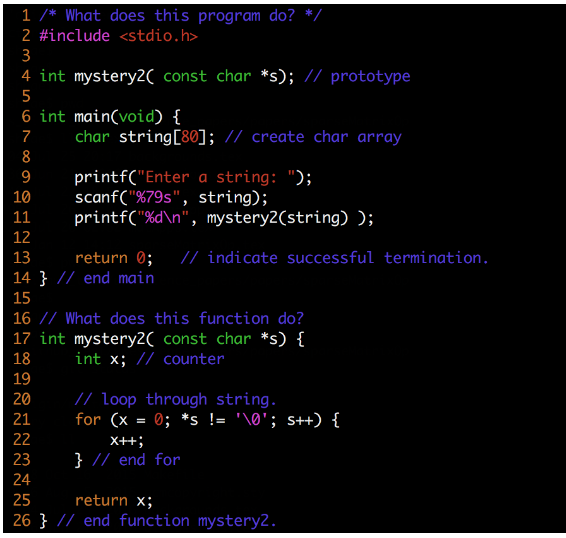
C is a general-purpose programming language that is extremely popular, simple, and flexible to use. It was developed by Dennis Ritchie in 1972 at Bell Laboratories of AT&T Labs. C is a procedural programming language that supports structured programming, lexical variable scope, and recursion, with a static type system. It is machine-independent and extensively used to write various applications, operating systems like Windows, and many other complex programs like Oracle database, Git, Python interpreter, and more.
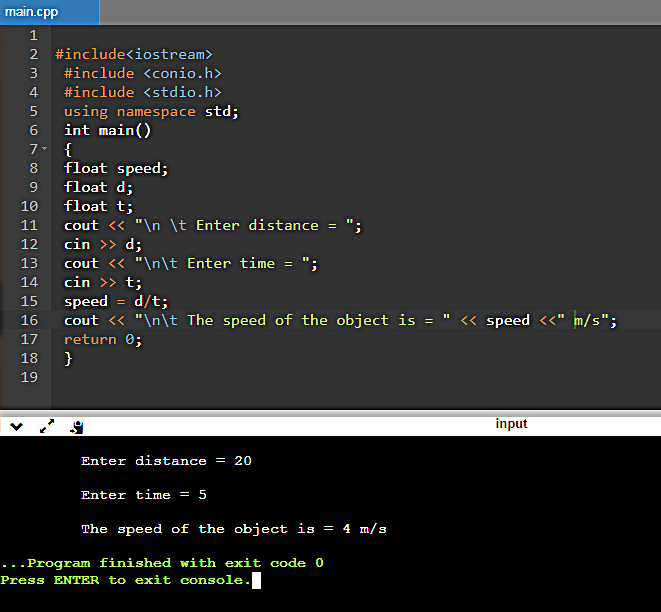
C++ is a general-purpose, high-performance programming language that was developed by Bjarne Stroustrup in the early 1980s as an extension of the C language. It combines the procedural programming features of C with object-oriented programming (OOP) concepts, making it powerful for both system-level and application-level development.
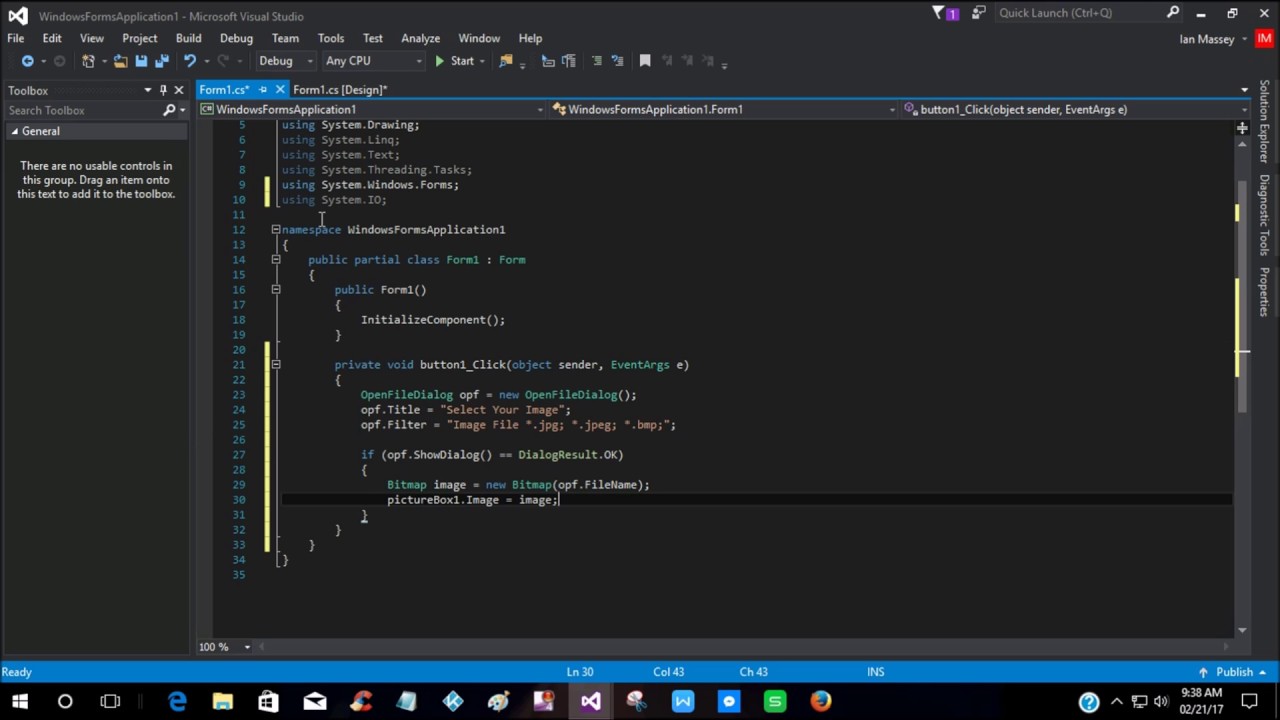
C# (pronounced “C-sharp”) is a modern, object-oriented programming language developed by Microsoft as part of its .NET initiative. It is designed to be simple, powerful, and versatile, suitable for building a wide range of applications, including desktop, web, mobile, cloud-based solutions, and games.
Java is a high-level, object-oriented programming language developed by Sun Microsystems in 1995, now owned by Oracle. It is widely used for building applications across various domains, including desktop, web, mobile, and enterprise systems. Java is known for its platform independence, meaning programs written in Java can run on any operating system with a Java Virtual Machine (JVM). This is achieved through its "write once, run anywhere" philosophy, where Java code is compiled into bytecode that the JVM interprets. Java remains one of the most popular programming languages due to its portability, scalability, and extensive ecosystem.
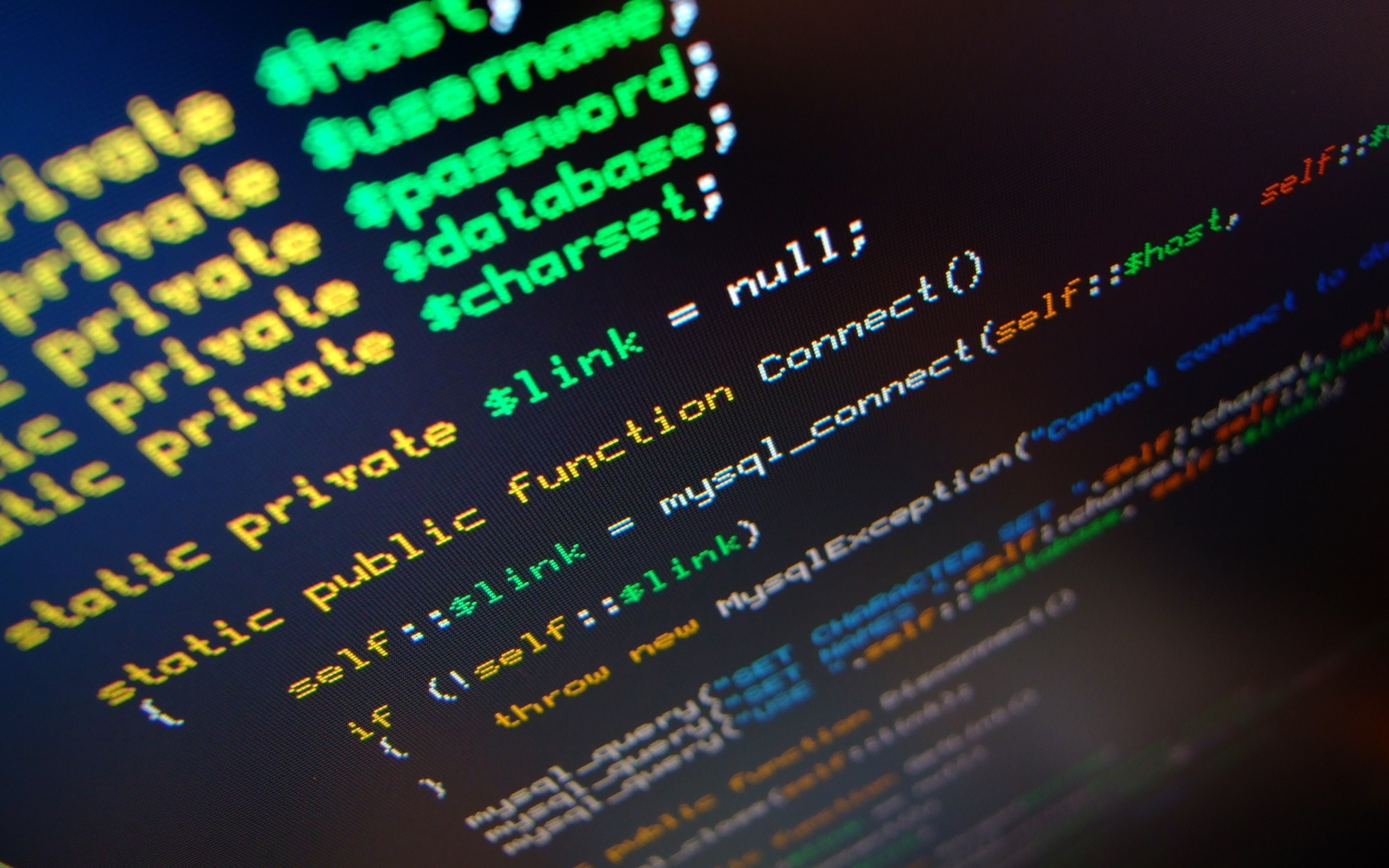
JavaScript is a high-level programming language primarily used to make web pages interactive. It is one of the core technologies of the web, alongside HTML and CSS. JavaScript allows developers to create dynamic content, such as animations, real-time updates, interactive forms, and complex website functionality. It runs in the browser and can also be used on the server-side through platforms like Node.js.
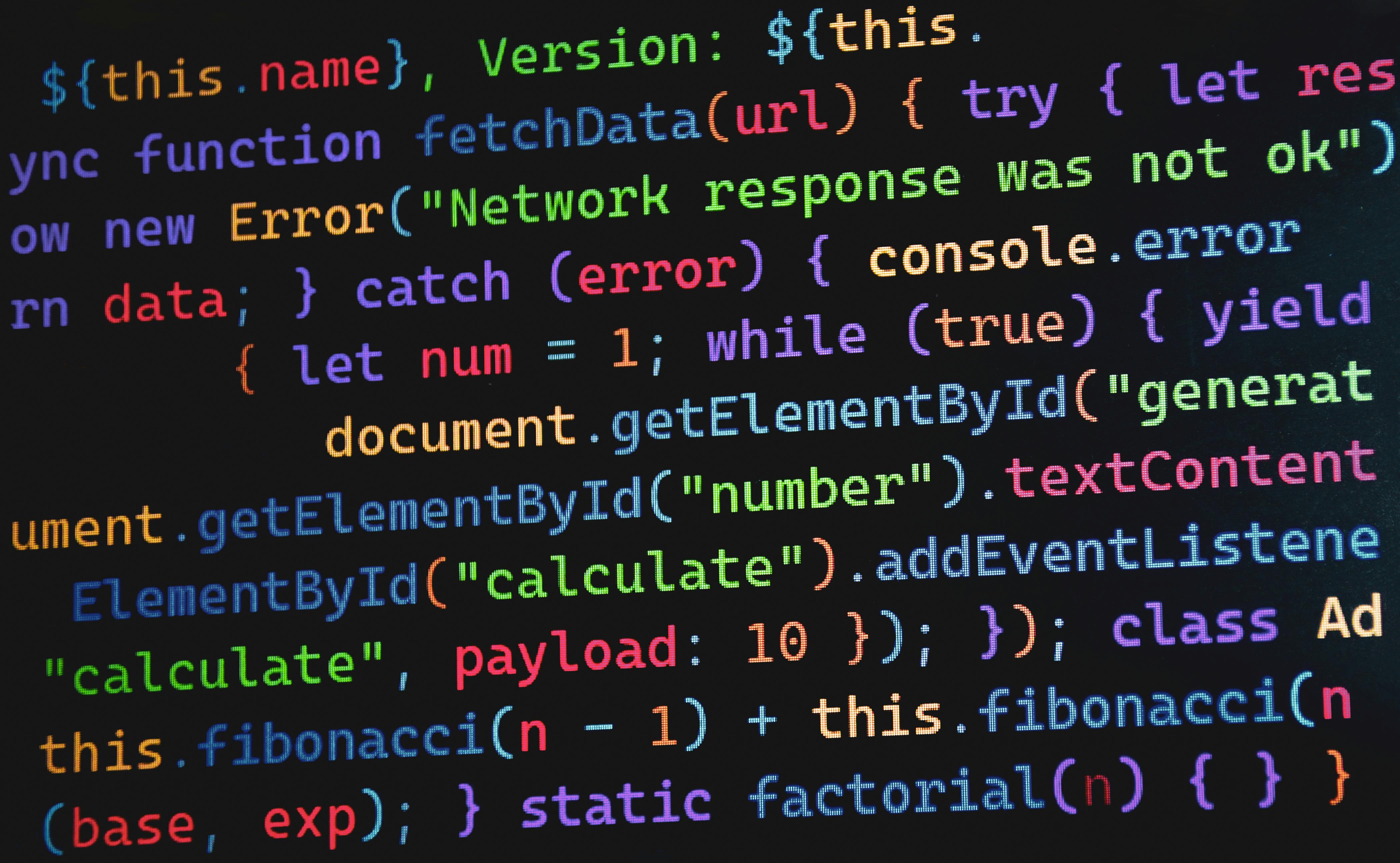
PHP, which stands for Hypertext Preprocessor, is a widely-used open-source general-purpose scripting language that is especially suited for web development and can be embedded into HTML. PHP was created in 1994 by Rasmus Lerdorf and has since become one of the most popular languages for server-side scripting. PHP is a powerful and flexible scripting language that is widely used for web development. Its ease of use, cross-platform compatibility, and extensive database support make it a popular choice for developers around the world.
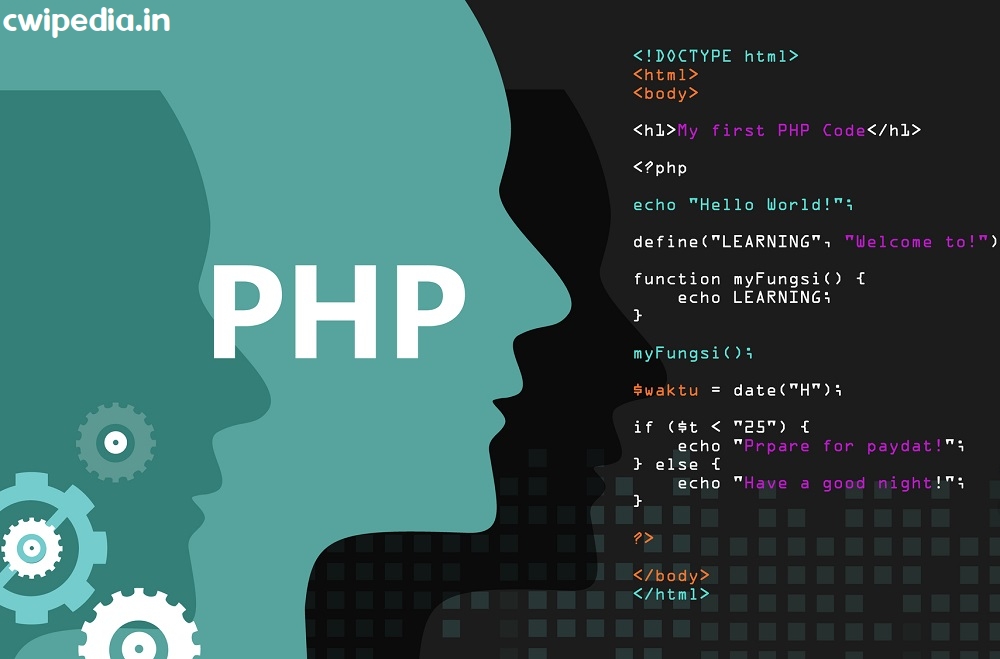
Python is a high-level, interpreted programming language known for its simplicity and readability. It was created by Guido van Rossum and first released in 1991. Python supports multiple programming paradigms, including procedural, object-oriented, and functional programming. Python's simplicity and versatility make it a powerful tool for developers across various domains. Its extensive libraries and strong community support further enhance its appeal, making it a popular choice for both beginners and experienced programmers.
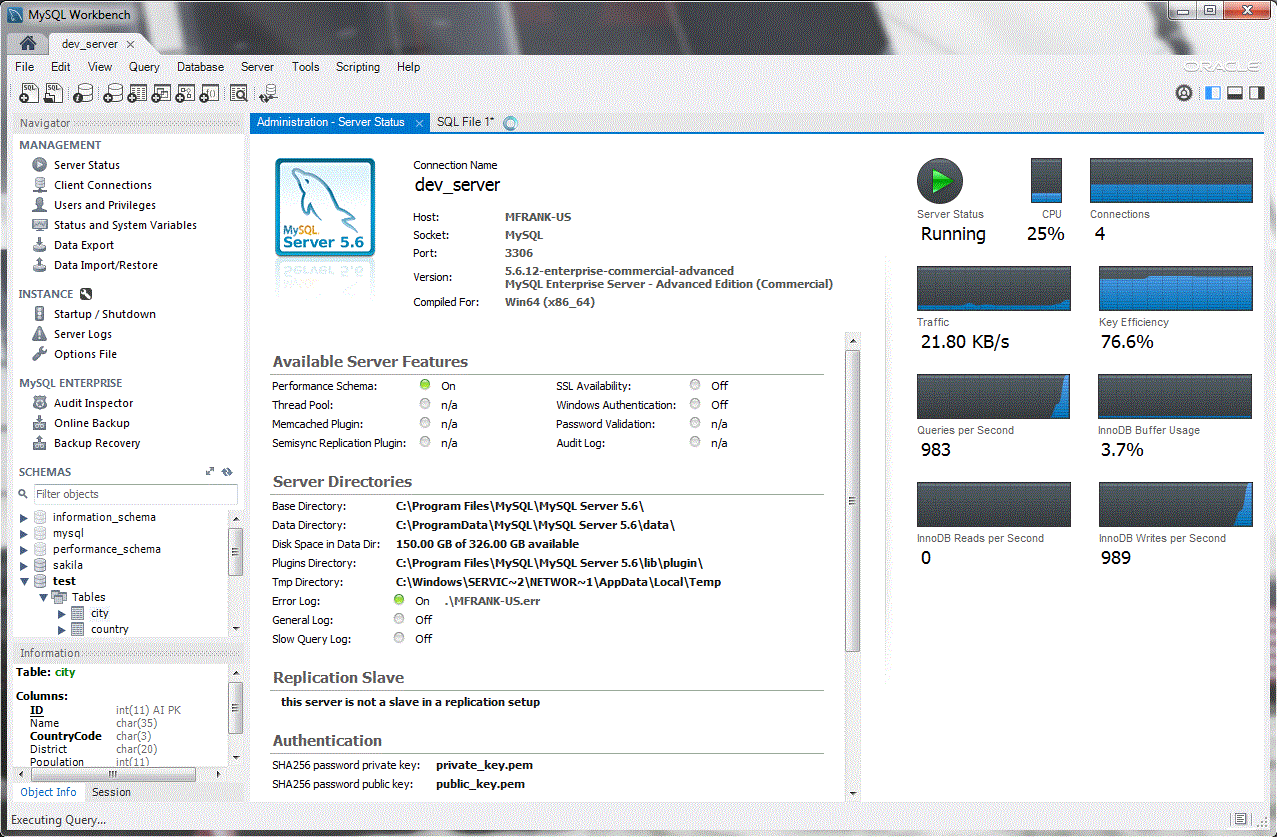
SQL stands for Structured Query Language. It is a standard language used for accessing and manipulating databases. SQL is particularly useful for handling structured data, which includes relations among entities and variables. History and Standardization: SQL was initially developed at IBM by Donald D. Chamberlin and Raymond F. Boyce in the early 1970s. It was originally called SEQUEL (Structured English Query Language) but was later renamed to SQL due to trademark issues. SQL became a standard of the American National Standards Institute (ANSI) in 1986 and of the International Organization for Standardization (ISO) in 1987. SQL is a powerful and versatile language for managing and manipulating relational databases. Its ability to handle structured data efficiently makes it an essential tool for database administrators and developers.